How to Participate in an International Fashion Week as a Designer

For many designers, presenting a collection at an international fashion week represents an important step in building a global presence.
The runway creates visibility, but the opportunity extends beyond the show itself. International fashion events can place designers in the same environment as buyers, media, influencers, industry professionals and potential partners — creating connections that can continue long after the final look leaves the catwalk.
For emerging fashion designers especially, knowing how to approach that opportunity matters.
From choosing the right fashion platform to preparing your collection and completing designer registration, every step should support a larger goal: making sure your brand is ready not only to appear on an international runway, but to make the most of the audience around it.
1. Find the Right Fashion Week for Your Brand
The first step is not applying.
It is choosing where to apply.
International fashion weeks can differ significantly in their audiences, positioning and industry focus. A platform that works well for one designer may not necessarily be the right environment for another.
Before starting the designer registration process, research the event carefully.
Consider its previous editions, participating designers, location and wider community. Look at the types of buyers, media, influencers and industry professionals the fashion platform brings together.
Most importantly, ask whether the event aligns with the direction of your brand.
A runway opportunity becomes much more valuable when the people watching are relevant to where you want your brand to go next.
2. Understand the Designer Registration Process
Once you have identified the right international fashion week, review its designer registration or application requirements.
Most professional fashion platforms will ask for information that helps them understand both the creative and commercial identity of your brand.
This may include your brand profile, website, social media channels, collection imagery, previous fashion shows or presentations, target markets and information about the designer.
Treat the application as the first introduction to your brand.
Clear information and strong imagery can make it easier for an event team to understand your creative identity and assess how your collection fits within the platform.
Avoid submitting incomplete information wherever possible.
Your registration should communicate the same level of professionalism you want your brand to represent on the runway.
3. Present a Clear Brand Identity
International fashion weeks receive interest from many designers.
A recognizable point of view can help a brand stand out.
Your identity should be visible across your collection, imagery, digital presence and brand story. This does not mean every design needs to follow the same formula. It means there should be a clear sense of intention behind what you create.
What defines your approach to fashion?
Who are you designing for?
What makes your collection recognizable?
What perspective does your brand bring to the industry?
These questions become particularly important for emerging fashion designers entering an international environment for the first time.
The runway can introduce your brand.
A clear identity helps people remember it.
4. Prepare a Runway-Ready Collection
A strong commercial collection does not automatically become a strong runway collection.
Fashion shows have their own visual language.
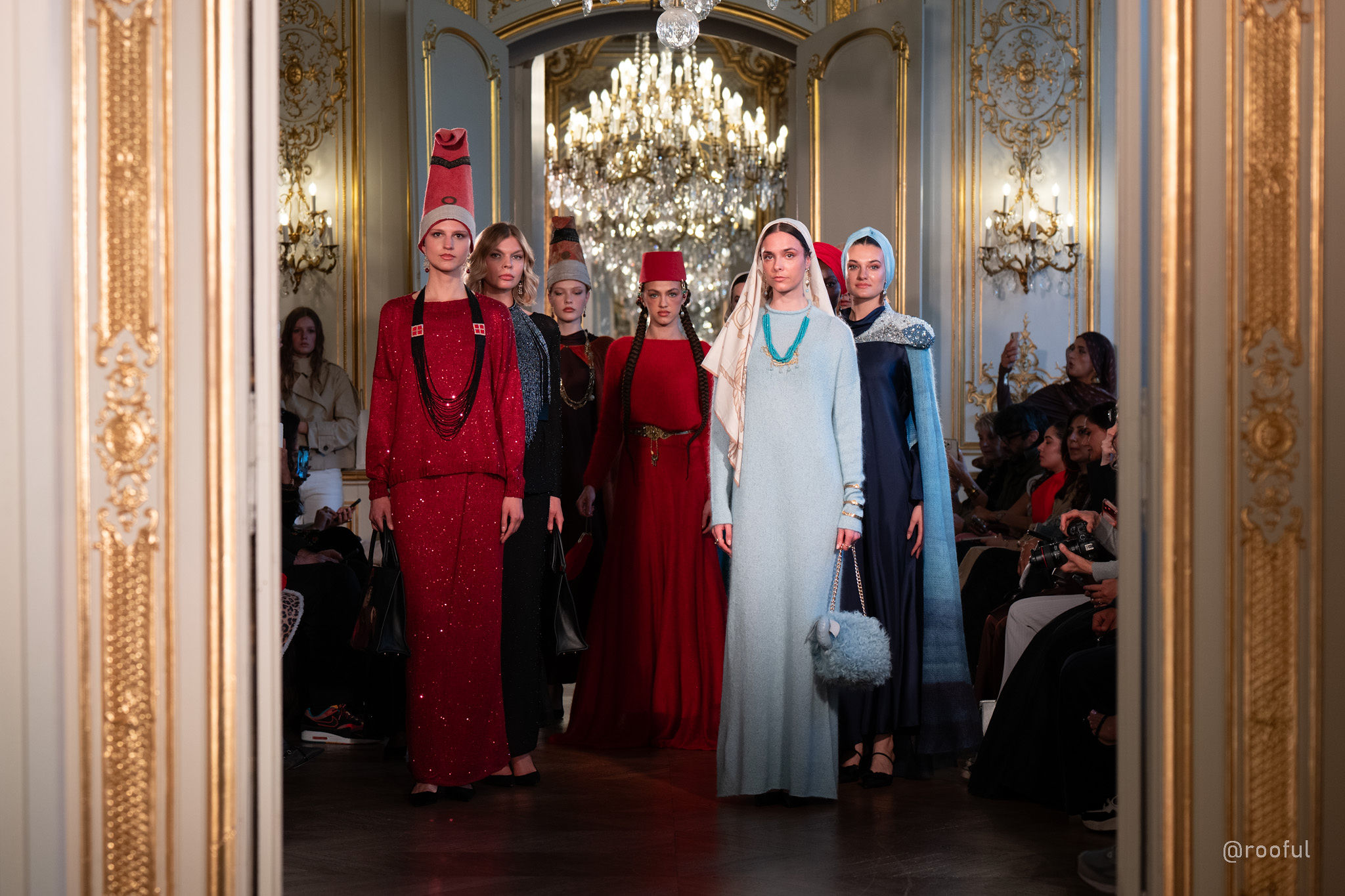
Looks are experienced in sequence. Movement matters. Styling matters. The opening and closing looks matter. The relationship between individual garments becomes part of a larger story.
When preparing for an international fashion show, think about how the collection will be experienced from beginning to end.
There should be enough consistency to make the collection feel connected while still allowing individual looks to create impact.
Consider proportion, fabric movement, styling, accessories and how each look contributes to the overall narrative.
The objective is not simply to show clothing.
It is to communicate a point of view.
5. Make Sure the Business Is Ready Too
A runway can create attention quickly.
Your business should be prepared for that attention.
Imagine a fashion buyer discovers your collection during the show and wants to continue the conversation.
Are your wholesale prices ready?
Can you communicate production timelines?
Do you know your minimum order quantities?
Can the brand fulfill international orders?
Is your collection information easy to share?
Creative preparation and commercial preparation should happen together.
For designers interested in expanding into new markets, this is particularly important. A successful fashion week can create opportunities, but brands need the infrastructure to respond when those opportunities appear.
6. Prepare Your Digital Presence Before the Event
People who discover your brand during an international fashion week are likely to search for it online.
Your website and social media channels therefore become an extension of the runway.
Before the event, make sure your digital presence accurately reflects your current brand identity.
Your website should be functional and easy to navigate. Your social channels should clearly communicate your aesthetic. Contact information should be accessible. Strong collection imagery and a concise brand story should be easy to find.
Think about what a buyer, journalist or potential partner will see when they search your brand immediately after the show.
The runway creates curiosity.
Your digital presence should give that curiosity somewhere to go.
7. Prepare for Fashion Buyers and Media
Different industry professionals will look at your collection from different perspectives.
Fashion buyers may be interested in commercial potential, pricing, production and customer relevance.
Fashion media may be looking for a compelling visual identity, an interesting designer story or a perspective that reflects a larger movement within fashion.
Influencers and creators may think about how the collection connects with their audiences.
Preparing for these different conversations does not mean changing your brand for each person.
It means understanding what information they may need.
A concise brand introduction, collection details, professional imagery and clear contact information can make those conversations much easier.
8. Use Fashion Networking Strategically
An international fashion week brings a concentrated fashion network into one place.
Use it.
Do not limit your participation to the minutes your collection is on the runway.
Attend relevant gatherings. Meet other designers. Introduce yourself to industry professionals. Speak to people who show genuine interest in your work.
Fashion networking does not need to feel transactional.
Some conversations may lead to immediate opportunities. Others may become relevant months later. Some simply expand your understanding of the industry.
The goal is to build relationships, not collect as many contacts as possible.
One meaningful introduction can sometimes be more valuable than a room full of business cards.
9. Think About What Happens After the Fashion Show
The final look leaving the catwalk should not mark the end of your fashion week strategy.
It should begin the next phase.
Follow up with relevant contacts.
Share runway imagery and video.
Communicate media coverage.
Continue conversations with buyers.
Thank collaborators.
Use the event to create new content and strengthen your brand story.
If your collection has been presented in a new international market, communicate that milestone to your existing community as well.
The value of a fashion show can continue for weeks or months when the brand has a clear follow-up strategy.
10. Turn International Visibility Into Long-Term Growth
Participating in an international fashion week can create a powerful moment for a designer.
But one runway rarely builds a global brand on its own.
Long-term growth comes from what happens around and after that moment.
The contacts you maintain.
The markets you continue exploring.
The media relationships you develop.
The buyers you follow up with.
The audience you build.
And, most importantly, the collections you create next.
Fashion week should become part of a wider brand journey rather than an isolated achievement.
Designer Participation at Modest Fashion Weeks by Think Fashion
Modest Fashion Weeks by Think Fashion brings designers into an international fashion platform designed around more than the runway moment.
Across its global editions, Modest Fashion Weeks by Think Fashion creates an environment where designers can present their collections while becoming part of a wider ecosystem of buyers, media, influencers, industry professionals and fashion communities.
For designers, that means the opportunity is not simply to appear in a fashion show.
It is to introduce a brand to new eyes, enter new conversations and build connections across markets.
The Next International Runway: New York
In 2027, the next chapter continues with New York Modest Fashion Week 2027 by Think Fashion.
For designers ready to take their collections into an international environment, New York offers a meeting point between fashion, media, culture, retail and global business.
Preparing for that opportunity begins before the runway.
Build a clear identity.
Prepare the collection.
Understand your market.
Be ready for the conversations around the show.
And choose a fashion platform that can place your work in front of the people you want to meet next.
Because participating in an international fashion week is not simply about reaching the catwalk.
It is about deciding where your brand can go from there.
Explore designer registration for New York Modest Fashion Week 2027 by Think Fashion and bring your collection to the next international chapter.