Fashion Media & Influencers: Building Global Fashion Brands | Modest Fashion Weeks by Think Fashion
The Role of Media and Influencers in Building a Global Fashion Brand
A strong collection can define a brand.
But for that brand to grow, people need to discover it.
In a global fashion industry shaped by constant content, new collections and emerging creative voices, visibility has become one of the most important challenges for designers.
Fashion media and influencers play different but increasingly connected roles in solving that challenge.
Editors and journalists can give a brand context, credibility and a place within a larger industry conversation. Influencers and creators can translate that story for their own communities, creating a more immediate connection between a designer and an audience.
For emerging fashion designers in particular, both can become powerful bridges between a collection and the people who may take interest in it next.
The objective is not simply to be seen.
It is to be seen by the right audience, in the right context, with a story worth remembering.
Why Fashion Media Still Matters
The way people discover fashion has changed dramatically.
Consumers no longer depend on magazines or traditional publications alone to understand what is happening in the industry. Social media, newsletters, independent platforms, podcasts and creator-led channels have all become part of the fashion media landscape.
Yet editorial visibility continues to matter.
Fashion media does more than show a collection.
It provides context.
A journalist may explore the story behind a designer. An editor may identify how a collection relates to a larger movement. A publication may introduce a brand to an audience that would never have discovered it independently.
For emerging brands, this context can be particularly valuable.
Being included in the wider fashion conversation can help move a designer from simply having a product to becoming a creative voice people recognize.
Fashion Press Creates Credibility
Attention and credibility are not always the same thing.
A social media post can reach thousands or millions of people quickly. Fashion press can add another layer by positioning a designer within an industry context.
Editorial coverage can communicate that a brand is worth paying attention to.
It can also create a record of a designer’s development over time.
A first runway review.
An interview.
A collection feature.
A designer profile.
An international fashion week appearance.
Individually, these moments may seem small. Together, they begin to create a narrative around the brand.
For emerging fashion designers, that narrative can become an important part of building recognition beyond their existing audience.
How Fashion Influencers Changed Brand Discovery
Influencers have transformed the way fashion moves between brands and consumers.
Instead of receiving fashion only through traditional media channels, audiences can now discover collections through people whose style and perspective they already follow.
This creates a different kind of relationship.
Fashion influencers do not simply distribute information.
They interpret it.
A creator may style a garment in their own way, explain why they connect with a designer or introduce a collection through the cultural and aesthetic interests of their community.
For fashion brands, this can make creator partnerships particularly valuable.
The right influencer does not simply provide reach.
They provide relevance.
Reach Is Not the Same as Influence
Follower count is easy to measure.
Actual influence is more complicated.
A creator with a very large audience may generate significant visibility, but that does not automatically make them the right partner for every fashion brand.
Audience relevance matters.
Engagement matters.
Creative alignment matters.
Trust matters.
A smaller creator whose community closely matches a brand’s target audience can sometimes create more meaningful results than a much larger account with little connection to the product.
For emerging designers, this distinction is especially important.
Influencer strategy should not begin with:
Who has the most followers?
It should begin with:
Who would genuinely understand and connect with this brand?
Media and Influencers Play Different Roles
Fashion media and fashion influencers are sometimes treated as interchangeable forms of exposure.
They are not.
Each can contribute something different.
Fashion media can provide editorial context, industry credibility and long-term discoverability.
Influencers can create immediacy, personal interpretation and direct access to specific communities.
One tells the story through an editorial lens.
The other can make that story feel personal.
For fashion brands building international visibility, the strongest strategy often involves understanding how both can work together.
A collection may debut at an international fashion week.
Fashion press may cover the designer.
Creators may share runway moments.
Audiences may discover the brand through social content.
Buyers or industry professionals may then encounter that growing visibility through multiple channels.
One moment begins to travel.
Why Storytelling Matters
Media cannot communicate a brand story clearly if the brand itself does not know what that story is.
Before pursuing fashion press or influencer partnerships, designers should understand their own narrative.
What does the brand represent?
What makes the designer’s perspective distinctive?
Where did the collection begin?
What cultural or creative references shape the work?
Why does this particular collection matter now?
Strong storytelling does not mean creating an artificial story for marketing purposes.
It means identifying what is genuinely interesting about the work and communicating it clearly.
A strong visual identity attracts attention.
A strong story gives people a reason to continue paying attention.
International Fashion Weeks Create Media Moments
Fashion weeks concentrate attention.
Designers, buyers, fashion media, influencers and industry professionals gather around a shared program, creating a period when discovery happens faster.
For designers, this makes an international fashion week an important communication opportunity.
The runway provides a visual moment.
But what happens around it can extend the impact.
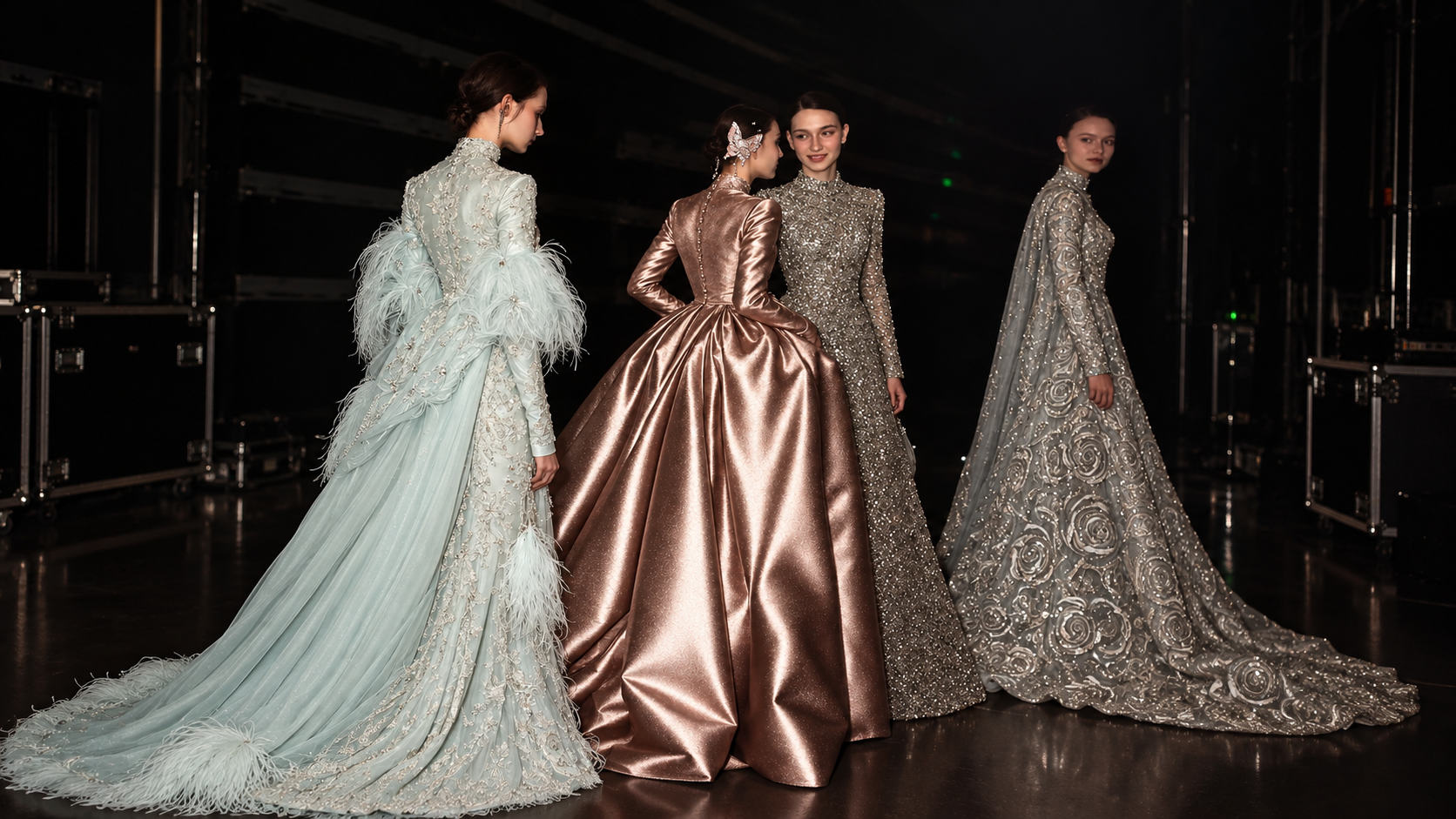
Backstage content can introduce the creative process.
Interviews can communicate the designer’s perspective.
Fashion press can document the collection.
Creators can share their experience with audiences beyond the venue.
Professional runway imagery can continue circulating long after the event.
A fashion show may last minutes.
The content and conversations around it can continue for months.
Recent editions have been covered by outlets including Vogue, Business of Fashion, BBC News and L’Officiel. See the press coverage.
From Local Recognition to Global Visibility
Many emerging fashion brands begin with strong local communities.
International growth requires moving beyond them without losing the identity that created that initial connection.
Fashion media and influencers can help make that transition possible.
An international publication can introduce a designer to a new market.
A creator can make the brand relevant to a specific community in another country.
Runway coverage can position a collection within a global fashion conversation.
These moments create bridges between markets.
For modest fashion designers, this can be particularly significant because the global modest fashion community already extends across cities, cultures and digital spaces.
The challenge is not creating that community.
It is creating meaningful points of connection within it.
The Global Modest Fashion Community Is Digital and Physical
Modest fashion has grown through both physical fashion spaces and digital communities.
Designers present collections on runways.
Creators interpret those collections online.
Media documents how the industry is evolving.
Consumers respond, share and create their own conversations.
These layers increasingly influence one another.
A runway moment can become a digital trend.
A creator can introduce an emerging designer to fashion media.
An online community can create demand for a brand in a market where it has never had a physical presence.
This movement between digital and physical spaces is one of the reasons the global modest fashion community continues to expand.
Building Relationships, Not Just Coverage
Strong media and influencer strategies are built through relationships.
A journalist should not only hear from a brand when it wants coverage.
A creator relationship should not necessarily begin and end with one post.
Over time, consistent communication allows people to understand how a brand is developing.
Share meaningful updates.
Communicate new collections.
Invite relevant contacts to fashion shows and industry events.
Provide useful information and strong assets.
Respect editorial independence and the creator’s own voice.
The objective is not to control every conversation about the brand.
It is to give the right people enough access and context to tell the story authentically.
Fashion Networking Connects the Ecosystem
Media and influencer relationships do not exist separately from the rest of the fashion industry.
They are part of a wider fashion network.
A journalist may introduce a designer to another editor.
A creator may attract the attention of a fashion buyer.
A runway appearance may lead to an interview.
A brand partnership may emerge from visibility generated during an event.
This is why fashion networking matters.
When designers, buyers, fashion press, influencers and industry professionals share the same environment, different forms of opportunity can intersect.
The result is not simply more exposure.
It is a stronger ecosystem around the brand.
Creating Global Visibility Through Modest Fashion Weeks by Think Fashion
Modest Fashion Weeks by Think Fashion brings these different parts of the fashion ecosystem together through its international editions.
Designers present their collections within an environment that also connects fashion media, influencers, buyers, industry professionals and global communities.
This creates multiple possibilities for discovery.
A runway look may be experienced by the audience in the room.
Fashion media may turn it into a story.
An influencer may introduce it to another community.
Digital content may carry it into markets far beyond the host city.
For designers, the value lies in how these layers can work together.
The runway creates the moment.
The wider network gives that moment somewhere to travel.
Since 2016, the platform has held 11 international editions in Istanbul, London, Dubai, Jakarta, Amsterdam, Riyadh, Abu Dhabi and Paris, staging more than 300 fashion shows with participants from over 40 countries and a media reach of more than 2 billion. Read the story of Modest Fashion Weeks.
A Global Media Moment in New York
In 2027, New York Modest Fashion Week by Think Fashion will bring this global fashion community into one of the world’s most influential media and creative environments.
New York sits at the intersection of fashion, publishing, digital media, entertainment, culture and the creator economy.
For designers, that creates an opportunity to present their work in a city where stories can move quickly between industries and audiences.
For fashion media and influencers, it creates an opportunity to discover designers and perspectives arriving from different parts of the world.
And for the global modest fashion community, it creates another moment to be seen, documented and shared.
Because building a global fashion brand is not only about creating something worth seeing.
It is about creating a story people want to carry forward.
Be part of the story at New York Modest Fashion Week by Think Fashion in April 2027. Press can apply for accreditation, creators can register as influencers, and designers can compare the packages and apply to show.